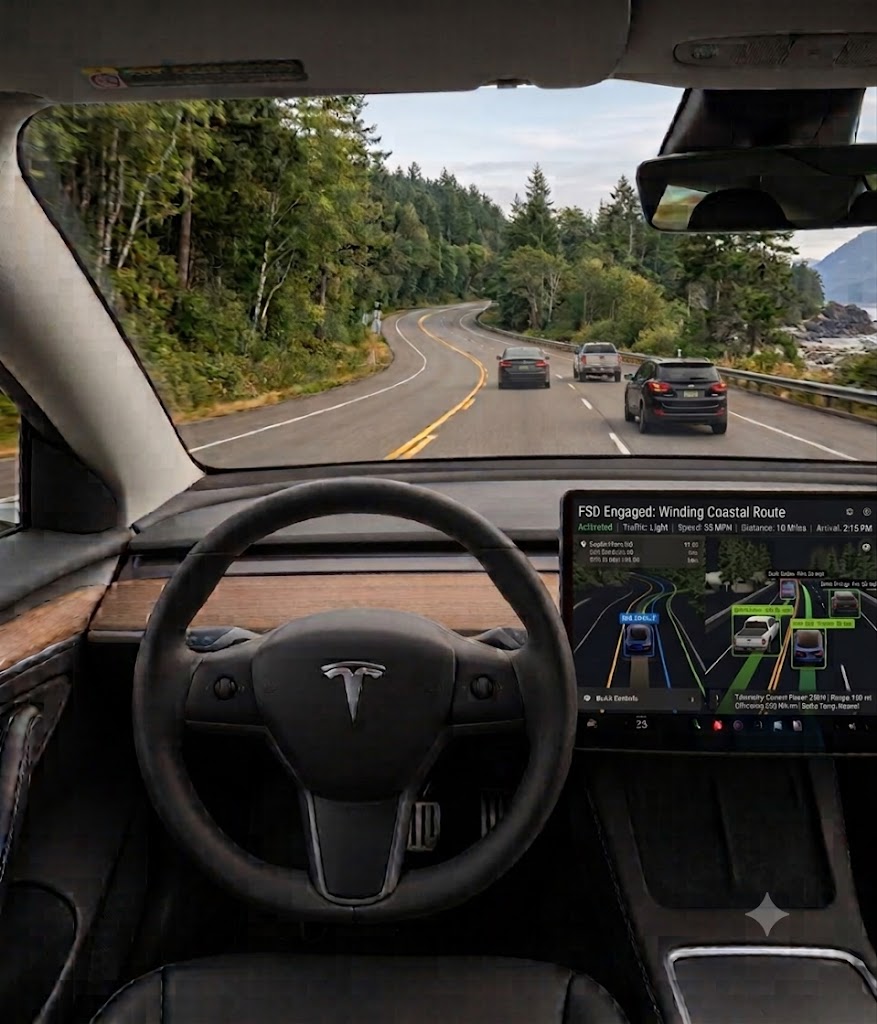
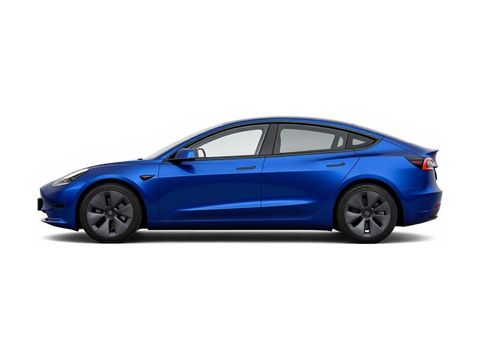
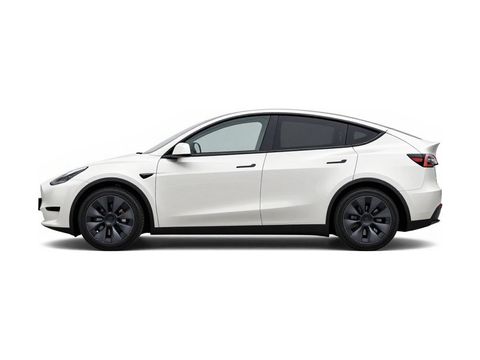
Self-driving vehicles are cars designed to operate with advanced autonomous driving systems that can perceive the road, make driving decisions, and control the vehicle without continuous human input in certain conditions. These vehicles use a combination of sensors, cameras, radar, lidar, and software to navigate roads, detect obstacles, and respond to traffic in real time.
Pre-mapped systems like Ford BlueCruise and GM Super Cruise are assistant driving technologies, not full self-driving capability, and they are not included in this definition. Standard driver-assistance systems such as adaptive cruise control, lane-centering, automatic parking, or emergency braking are also not the same as full self-driving.
Buyers interested in autonomous vehicles typically want higher levels of automation, safer urban mobility, and a more advanced driving experience. As technology continues to evolve, self-driving vehicles represent the next step toward more intelligent, efficient, and hands-free transportation.